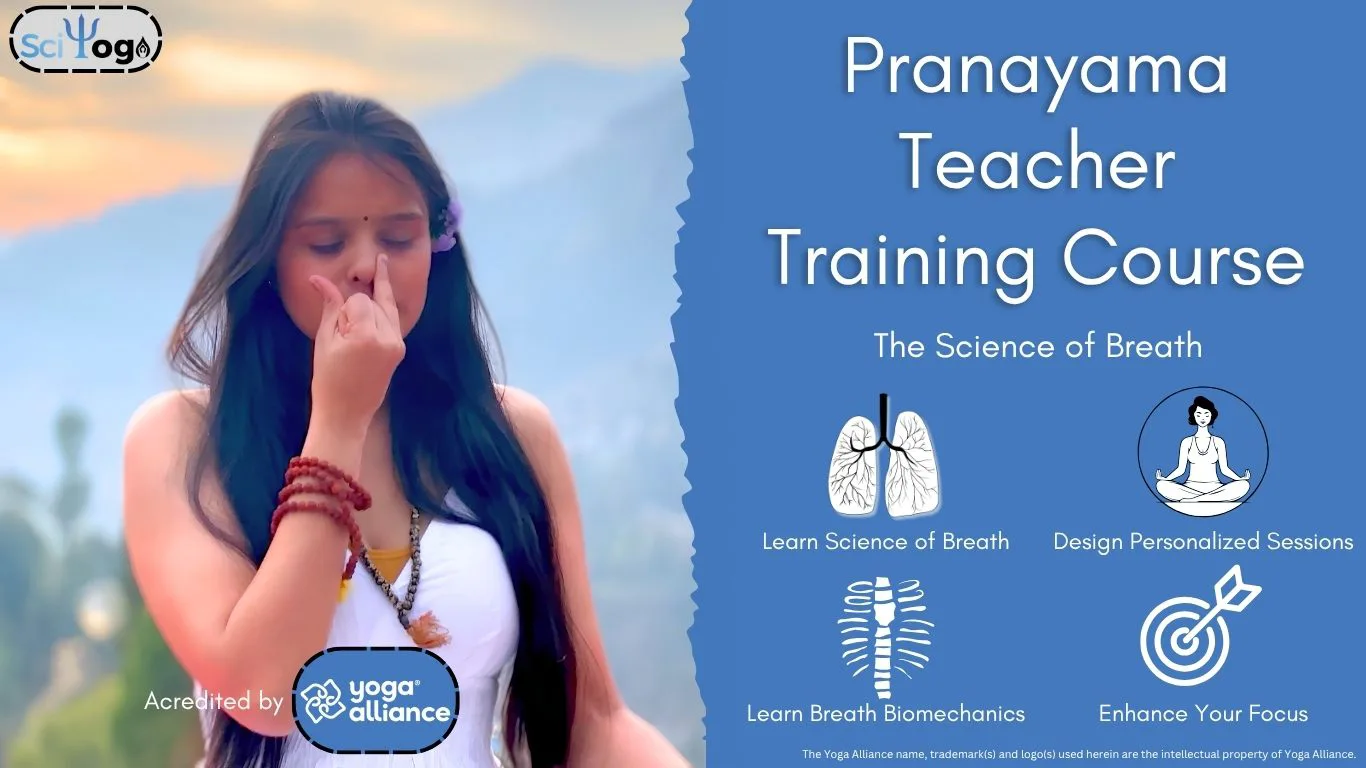
Our Pranayama Teacher Training course comes from 2000-year-old lineages of Yoga. It is not just a fancy ‘Breathwork’ course. Therefore, this is meant only for Yogis who want rooted knowledge backed by science. However, we also cover several breathwork techniques as they are similar to traditional Pranayamas.
At Sci Yoga, we offer one of the best Pranayama courses. This is probably the most Scientific Pranayama Teacher Training Course; learn from the experts. Our Pranayama course is based on ancient perspectives as well as modern scientific perspectives. Therefore, you not only learn Pranayama and Breathing Techniques, but also learn their practical applications in real life. We correlate these breathing techniques with mood disorders, psychosomatic disorders, lifestyle disorders, and more. As a result, you take control of your body, mind, and breath seamlessly. Continue with this segment to learn more about our course.
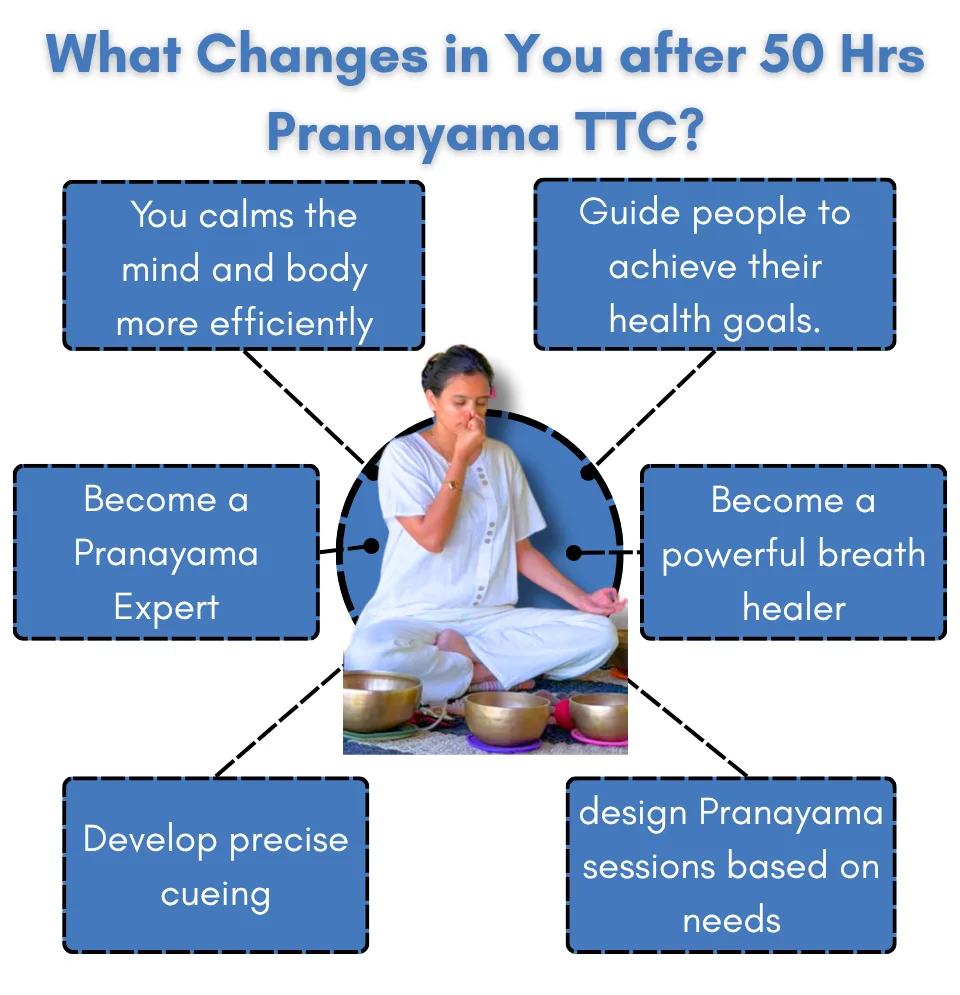
Our body's old hardware is forced to adapt to new software changes, such as the internet, micro-dopamines, gadgets, distractions, and whatnot. And of course, due to excess dopamine, cortisol, and adrenaline rush, numerous psychosomatic conditions are on the rise; most biomedical experts suggest Pranayama as a simple yet effective solution to tackle such challenges for the generations to come.
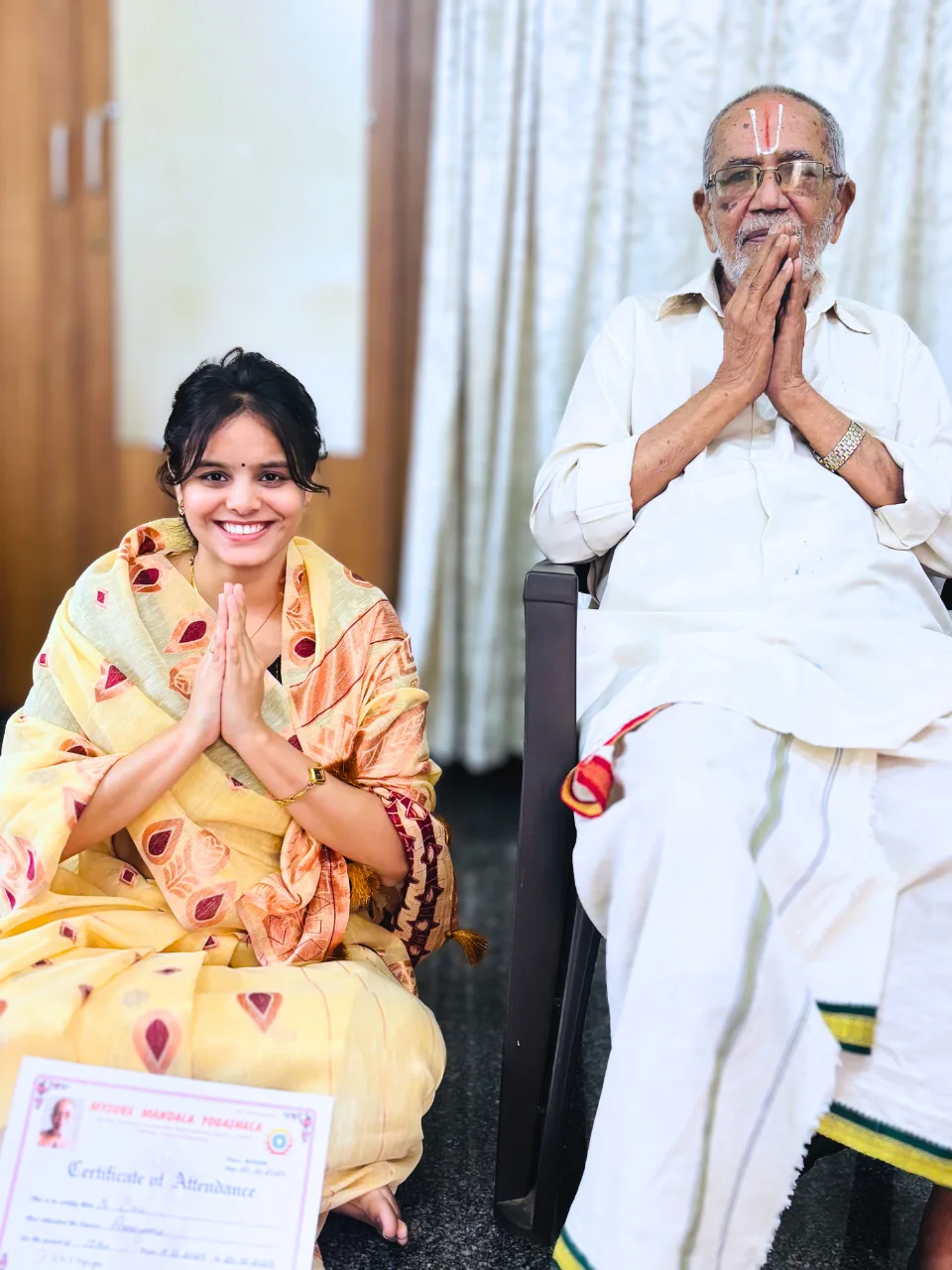
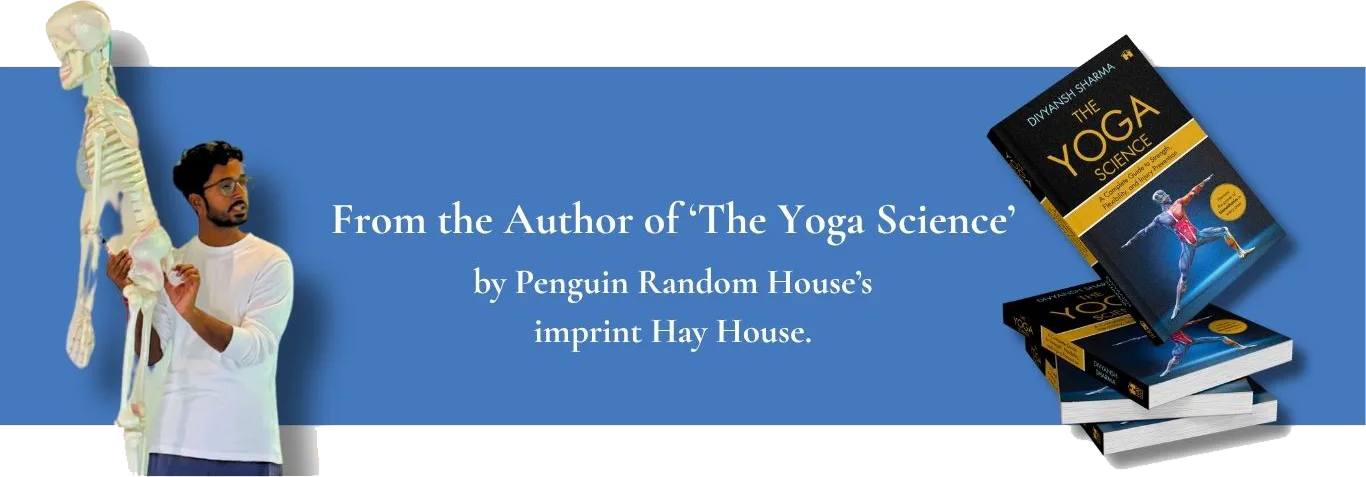
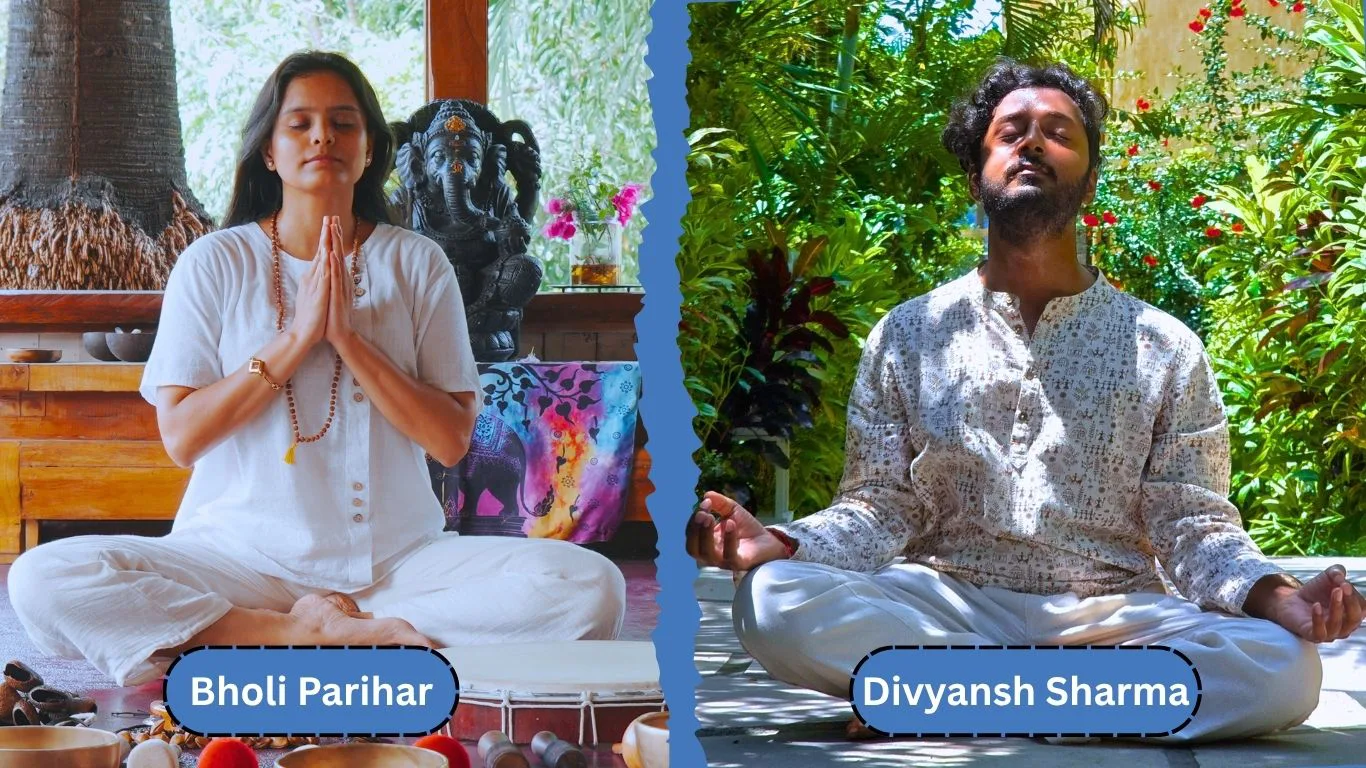
Our co-founder and course facilitator, Bholi Parihar, has been a student of BNS Iyengar. BNS Iyengar is a hundred-year-old legendary teacher from Mysore, India. He specialises in Pranayama. He was a student of Shri T. Krishnamacharya. Learning Pranayama from him has given Bholi an exceptional depth that only a few can reach. Our founder and author, Divyansh Sharma, has written, researched, and worked extensively on Pranayama. In fact, his second book, after the successful first book ‘The Yoga Science’ published by Penguin Random House imprint, is going to be on Pranayama. Our Pranayama course includes both the ancient perspective on Pranayama as well as the contemporary scientific perspective on Pranayama. With this course, you learn information that comes directly from scientific research, ancient texts, and a decade of experience.
Our founders and teachers, Divyansh Sharma and Bholi Parihar, have been staying in India and Bali. While they have been teaching and helping people become successful Yoga teachers and mentors, they have taught students from about 125 countries. They have been teaching Yoga for more than ten years. People like their demeanour, presentation, and command of the subject.
Pranayama is a set of ancient breathing practices that evolved over a thousand years in the Indian subcontinent by ancient sages. The term Pranayama is made of two words, Prana and Ayama. The Sanskrit term Prana means vital energy or life force. The energy that circulates within our bodies gives us much-needed energy to get us going. Whereas the Sanskrit term Ayama means regulation, control, or dimension. Collectively, the translation of Pranayama becomes techniques that help to regulate the flow of Prana. The practice of Pranayama is a limb of Yoga and therefore, inseparable from Yogic practices.
The traces of Pranayama can be seen in the ancient scriptures, which are as old as 1000 BCE. The Brihad-Aranyaka Upanishad (Pre-Buddhist Era, ~1000-500 BCE) first depicts the role of breathing techniques or Pranayama in the regulation of the vital energy of the body. Specifically, verse 1.5.23 of the Brihad-Aranyaka Upanishad depicts it. However, some experts claim Pranayama is even older than that.
There are a millennium of ancient texts on Yoga; however, out of these, Patanjali’s Yoga Sutras text is probably the most significant. As per Maharshi Patanjali’s Ashtanga Yoga, Pranayama is the fourth limb. Maharshi Patanjali Ji also mentioned four types of Pranayama in Yoga Darshan. He mentions Pranayama in the second chapter, along with Ashtanga Yoga, through the following Shloka:
तस्मिन्सति श्वासप्रश्वासयोर्गतिविच्छेदः प्राणायामः ॥2.49॥
Tasminsati Śvāsa-Praśvāsayor-Gativicchedaḥ Prāṇāyāmaḥ ||PYS 2.49||
In this Sutra, Maharshi Patanjali mentions: After establishing (meditative) Asana, when one conquers inhalation and exhalation and retains Prana in the process, called Pranayama.
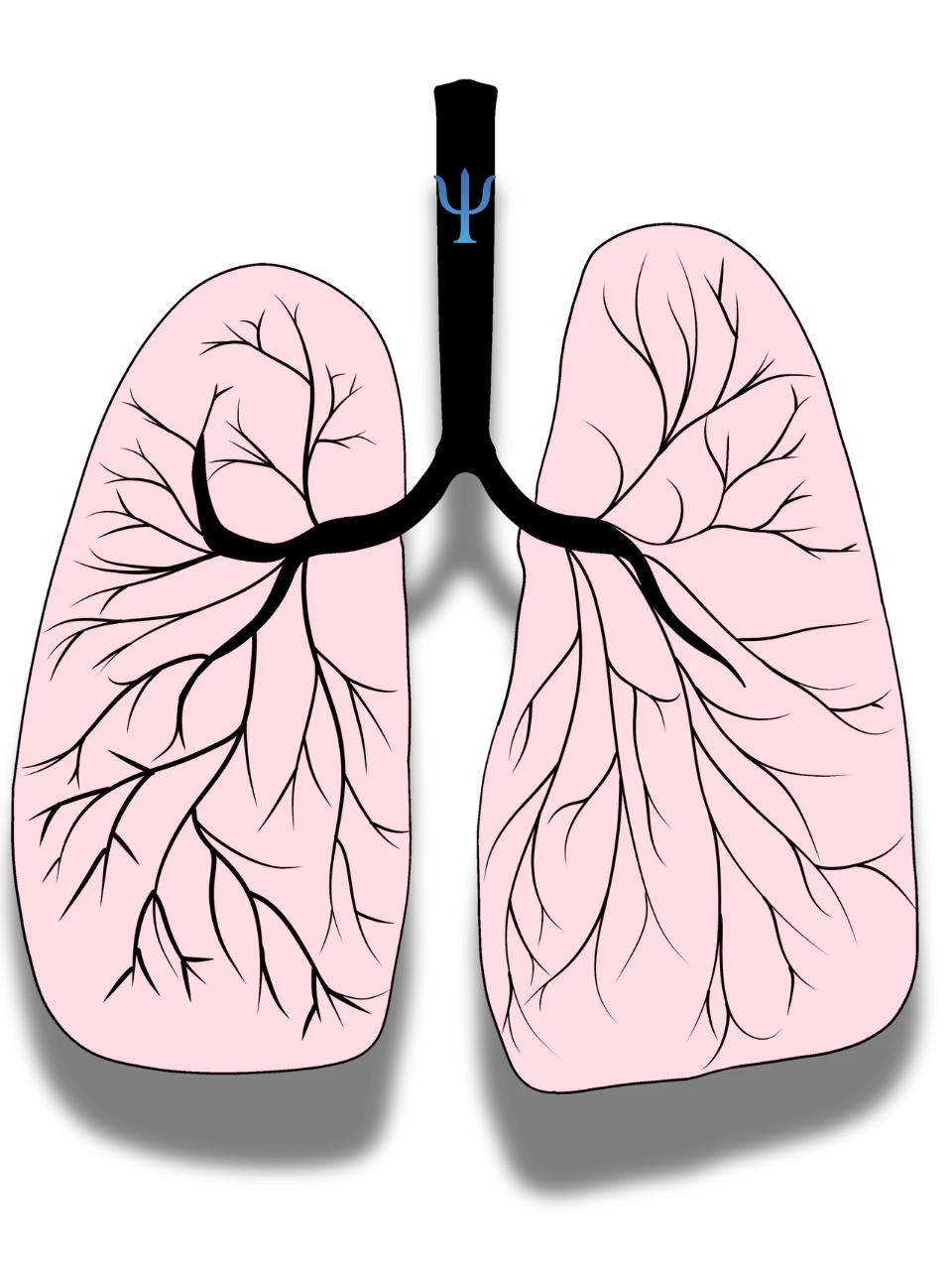
Scientifically, Pranayamas are breathing techniques that work on several principles. Each Pranayama has a mechanism of its own. However, a recurring theme in most Pranayamas is Kumbhaka or breath retention.
Scientifically, breath retention is known as intermittent hypoxia. Intermittent Hypoxia has a profound effect on our respiratory system; with practice, it helps our body to cope with mental, physical, and physiological challenges. We are listing
Pranayama practice is also helpful in improving the parameters associated with breathing. For example, lung capacity, relaxation, heart rate variability, and more. In our course, we include the mechanisms of almost all physiological effects of Pranayama.
Imagine that just two months of Pranayama practice is enough to reduce our stress levels. A study (Bhimani N. T. et al.[1], 2011) conducted on Pranayama highlighted that they increase Parasympathetic dominance, meaning they help our body to enter relaxation, improve digestion, improve sleep, lift mood, and more.
Simple Pranayamas that we can practice every day have profound effects on our bodies. As per several studies (Jayawardena R et al[2], 2020), they can help with chronic illnesses such as asthma or cancer, anxiety, fatigue, cardiovascular conditions, and more. And this also insinuates they definitely work on a healthy population.
To settle this debate, we have to be open to receiving and learning. Pranayama and Breathwork are basically one and almost the same. Most Breathwork techniques actually come from Pranayama, which thrived in ancient India for at least four thousand years. Let’s understand it through popular figures and their own words, explaining how breathwork comes from ancient practices of Pranayama. However, some other traditions also developed significant breathing techniques, which are a little distinct from Pranayama. Some entrepreneurs also took breathwork as an opportunity to promote breathing techniques as breathwork, for self-growth as well as to help people become healthy.
For example, one popular breathwork is called box breathing. Box breathing is literally the Sama Vritti Pranayama (translation ~ Equal Breathing), having originated at least 1300 years ago. Isn’t it an injustice to call it Box Breathing and claim it to be a breathwork? When you learn the roots of many Pranayamas, you will also be able to distinguish how many breathwork practices have originated from Pranayamas literally. In fact, the Buteyko Method, developed in the 1950s by Dr Konstantin Buteyko, a Ukrainian physician, is also very similar to the Sama Vritti Pranayama with a certain modification.
Wim Hof Method, another popular breathwork technique, is very similar to Tummo Breathing practised in the ancient Himalayan region. However, despite taking inspiration from Tummo Breathing, there is still some difference between the two. Wim Hof, who is a very popular figure in the Breathwork world, writes on his website that breathwork has an Eastern origin and that Breathwork was only recently introduced to the West. His website further claims that Pranayama has been a way to maintain physical and mental health for at least three thousand years in India. Another interesting fact is that his website also mentions how entrepreneurs woke up after seeing the breathwork boom. And now you know breathwork is getting popular because marketing is a huge reason behind it.
At this point, we need to ask certain questions: why did Patanjali ji not invent the Patanjali Method? Why did Gheranda ji not invent the Gheranda Method? Why did Svatmarama Suri ji not invent the Suri Method? Why did Gorakh Nath ji not invent the Gorakh Method? Why did Matsyendra Nath ji not invent the Matsyendra Method? It was because they were conquering the mind and ego with Pranayama. If you are a Pranayama or breathwork practitioner, think of conquering your ego and mind. Bring humility, praise your teachers, respect the tradition, respect the culture, even if you don’t understand it. It’s ok to make a business out of everything, but it is vital to respect the predecessors who, through thick and thin, preserved a legacy for thousands of years so that your business could thrive today.
Our course is perfect for people of all levels. However, there are a few things that one should know before opting for this course:
| Time | Class |
|---|---|
| 06:30 am – 08:45 am | Meditation & Active Practice |
| 09:00 am – 10:00 am | Breakfast |
| 10:00 am – 11:00 am | Yoga Philosophy |
| 11:20 am – 12:30 pm | Breath Philosophy + Practice |
| 12:30 pm – 02:00 pm | Lunch |
| 02:00 pm – 03:15 pm | Pranayama Philosophy |
| 03:45 pm – 04:45 pm | Pranayama Practice |
| 05:00 pm – 06:00 pm | Student’s Lab |
| 06:00 pm – 06:30 (07:00) pm | Evening Energy |
Please note: This is a tentative schedule and can potentially be revised.
| Location | Goa, India | |
|---|---|---|
| Course | 50 Hour Pranayama Teacher Training Course | |
| Start Date | End Date | Status |
| 03 Nov 2026 | 6 Nov 26 | Apply Now |
| 05 Dec 2026 | 8 Dec 26 | Apply Now |
| TBA | TBA | Apply Now |
| TBA | TBA | Apply Now |
We offer our Pranayama and Breathwork Teacher Training Course at various locations in India, including Goa, Dharamshala, and Rishikesh. We pick the best teachers and guest teachers and reserve their time for our course.
For our courses, accommodation, and food in India, we have a special collaboration with Trimurti Yoga School. Trimurti Yoga School has been running for the last 15 years; therefore, they have perfectly engineered their accommodation and food.
For our courses in Goa, India, the best way to reach our Goa campus is by flight. You can get a flight to Goa at Manohar International Airport, Mopa (GOX) or Dabolim Airport (GOI). We recommend that you land at GOX as it is newer and has much better facilities. From there, we will give you a cab which will drop you directly at our Trimurti Yoga campus, Agonda-Palolem Road, Canacona, South Goa. To avail a complimentary pick-up from the airport, you just need to provide us with your flight details.
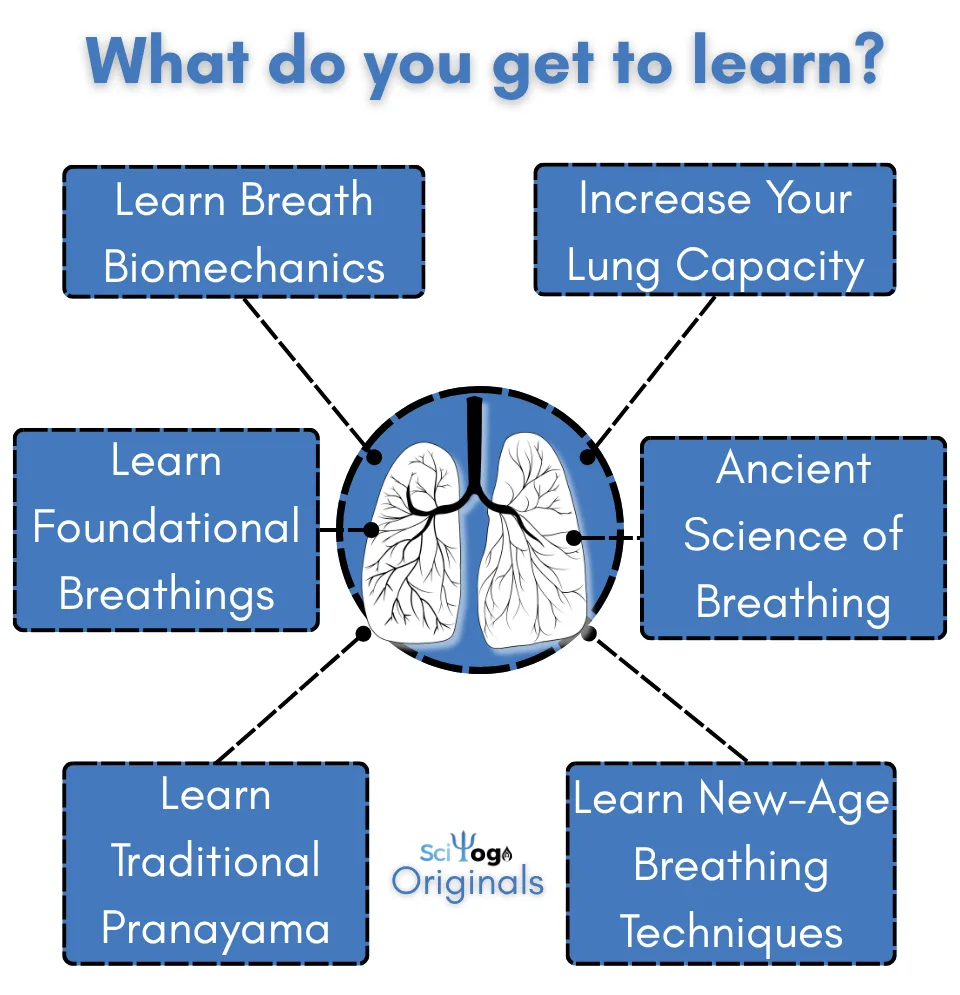
You can expect to learn around 20 Pranayama and breathwork techniques with our Pranayama teacher training course. These include: Surya Bhedana Pranayama or Right Nostril Breathing, Ujjayi Pranayama or Victorious Breathing, Bhastrika Pranayama or Bellows Breathing, Bhramari Pranayama or Humming Bee Breathing, Shitaliya Pranayama or Cooling Breathing, Shitkariya Pranayama or Hissing Breathing, and more.
It is for almost everybody. Understand that our breathing has the ability to influence our thoughts and mood patterns. If we want to be in a good mood, want to become mentally healthy, want to restrain our minds, Pranayama practice is a good way to do that.
Hacking may not be the right term, but definitely with Pranayama and breathing techniques, we can become better to improve the productivity of the brain, enhance our focus, influence our thoughts, and more.
Yes, quite literally. In fact, many experts suggest several breathing techniques to resolve anger issues. For instance, if someone has anger issues, we suggest practicing abdominal breathing (diaphragmatic breathing) and Dirgha Svasana (three-part breathing).
Yes, breathing influences our emotions. Try to recall the last time you were angry about something, you were anxious, or stressed. How did your breath feel during that moment? You were breathing at a faster pace, weren’t you? Now, switch back to the moment you had a good meal and were resting on your couch; how was your breath at that moment? It was slow and steady. Therefore, yes, our emotions influence our minds. However, the reverse is also true. Breathing also influences our emotions.
Yes, our pelvic and breath have a profound connection. Our pelvic area has the pelvic diaphragm, made of three muscles stemming from the coccyx (or tailbone). These work along with our ‘diaphragm.’ As a result, when the diaphragm moves, the pelvic diaphragm also moves and vice versa. Why it matters is that when we take shallow breaths, our diaphragm does minimal movement, and the same goes for our pelvic diaphragm. This leads to tightness and issues with the pelvic diaphragm in the long run. Therefore, it is vital for us to take slow and steady breaths whenever it is possible for us.
[1] Bhimani, N. T., et al. "Effect of pranayama on stress and cardiovascular autonomic tone and reactivity." Nat J Integ Res Med 2 (2011): 48-54.
[2] Jayawardena R, Ranasinghe P, Ranawaka H, Gamage N, Dissanayake D, Misra A. Exploring the Therapeutic Benefits of Pranayama (Yogic Breathing): A Systematic Review. Int J Yoga. 2020 May-Aug;13(2):99-110. doi: 10.4103/ijoy.IJOY_37_19. Epub 2020 May 1. PMID: 32669763; PMCID: PMC7336946.