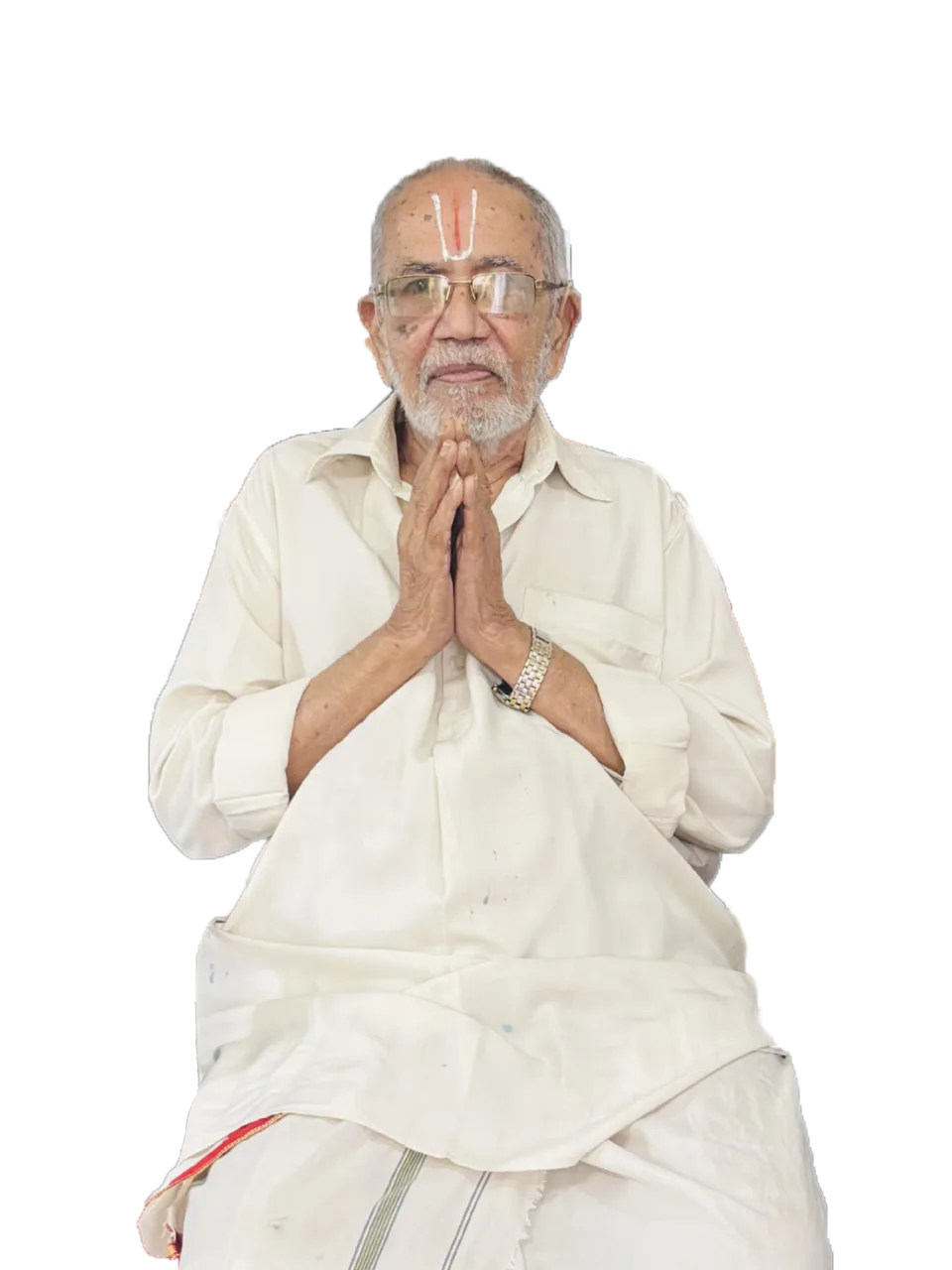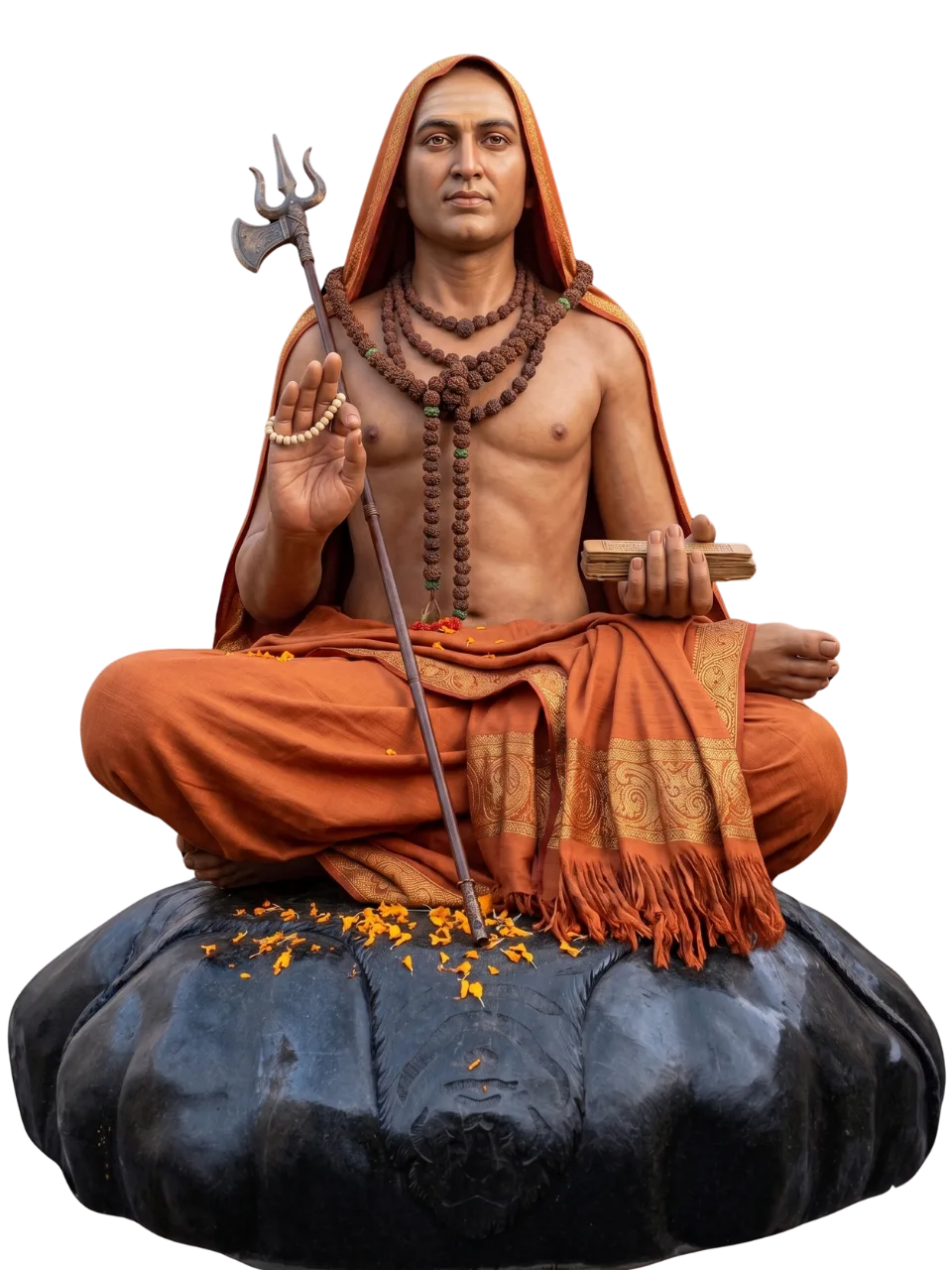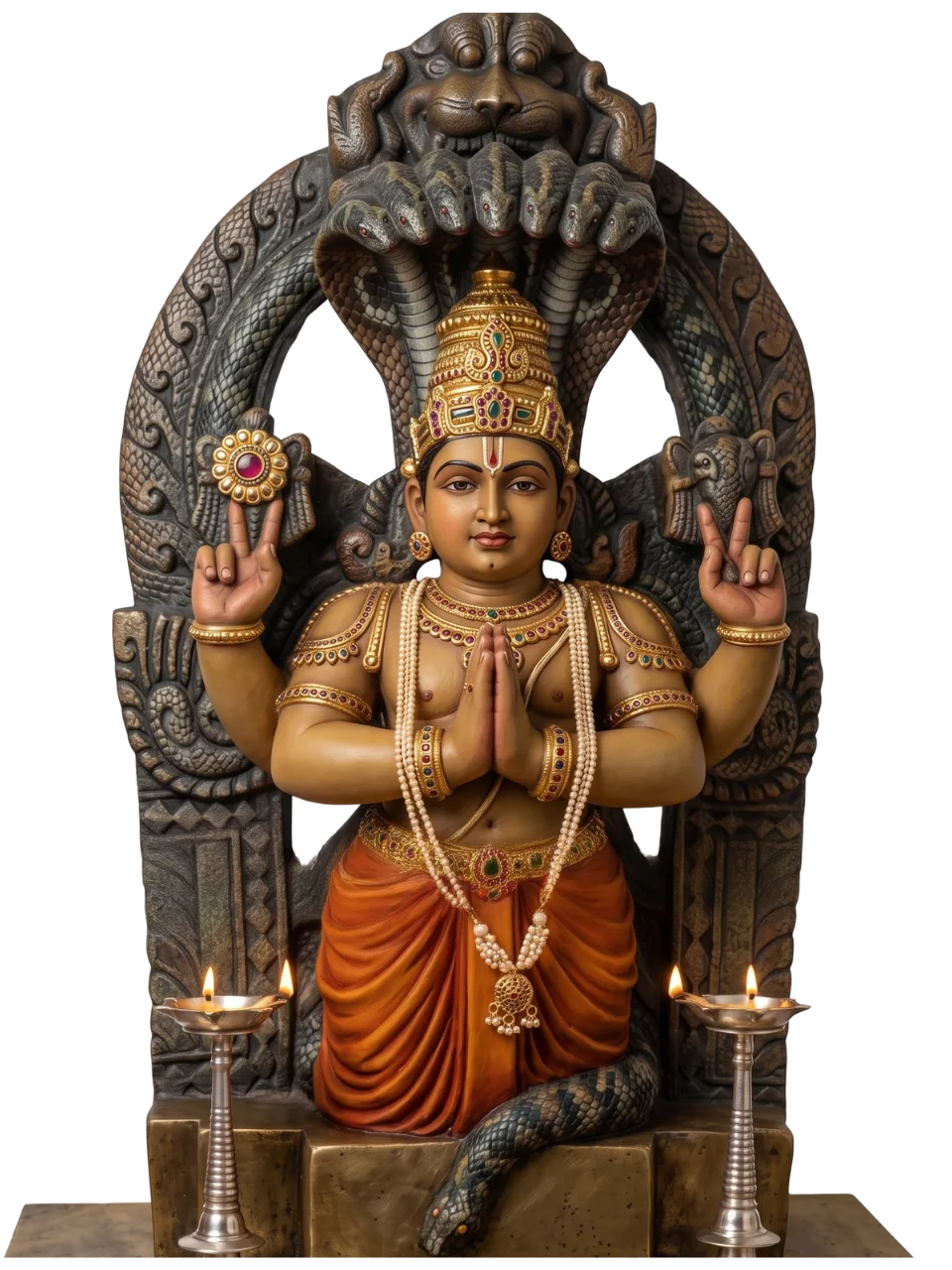
Our Meditation Teacher Training course blends ancient meditations and contemporary meditation styles, so you can discover your spirituality at your own pace. At Sci Yoga, our focus always remains on science, and this also reflects in our meditation course. Our course has elements of science where you learn the neuroscience of meditation, physiological effects, and more. Our unique offerings in the Meditation teacher training course include:
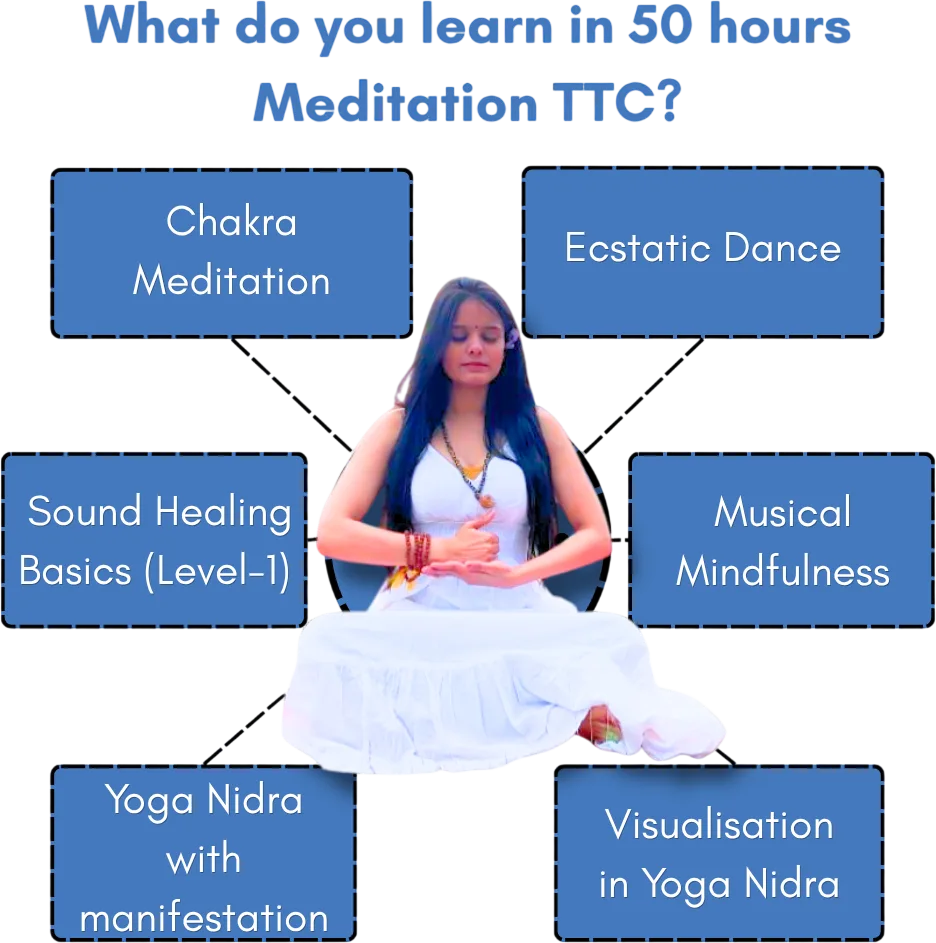
Our 100-Hour Meditation Teacher Training Course has been specially designed for beginner to advanced meditators. We cover several meditation techniques, including Trataka (Focused Gazing Meditation), Yoga Nidra, Visualisation (Dharana), Manifestation through visualisation, Chakra Meditation, So-Hum Meditation (Ajapa Japa Meditation), Basics of Sound Bath, Active Meditation, and Dynamic Meditation techniques. With all these meditation techniques, our course is probably the best meditation course that not only makes you a good meditator but also transforms you into a phenomenal meditation teacher.
Meditation doesn’t have to be very fancy for you. It is supposed to be a simple practice where you sit with yourself, enjoy your company just for a moment, while keeping your awareness at a specific place. Simple! Right? Yeah, simple but not that simple. If you have ever tried Meditation, you may already know it can be really challenging, especially at first. As a meditation teacher, you have to help people build their meditation practice from scratch. They are choosing you over an app or a YouTube video because they want authenticity, guidance, and the right path.
At Sci Yoga, our focus is to help you become an authentic meditator first and later a meditation teacher. With our approach, you experience a variety of meditations on yourself, and, based on your preferences, you later teach a meditation practice or practices that resonate with you. Our approach ensures that you offer more than apps, YouTube, and artificial intelligence.
The practice of meditation and its benefits have existed in various ancient cultures. However, we have conclusive depictions of meditation practices dating back to at least 5000-8000 years in the Indian traditions. The great Pashupati seal from the Indus-Saraswati Valley Civilisation, dating back to 3200 BCE, is the primary evidence. In the Pashupati-Natha seal, Proto Shiva is depicted practising meditation in Mulabandhasana, often translated as the Root Lock Pose or the Bound Root Posture. In all the Dharmic traditions, such as Hinduism, Buddhism, Jainism, Tibetan, Sikhism, and more, the practice of meditation is described as necessary to attain the higher stage of humans, often called enlightenment. Nonetheless, it is also evident in ancient Western traditions that many key figures achieved enlightenment through meditation. Therefore, the importance of meditation is hard to miss across the board. In Yoga, Meditation is considered one of the limbs and not a separate practice. In fact, to achieve the final stage of Yoga, Samadhi (liberation or eternal bliss), in almost all paths of Yoga, we need to practice meditation. Don’t worry about the paths of Yoga; we also cover them in our course, so you understand which path you want to take.
As per contemporary definitions, meditation is a mental practice to train our focus and awareness, to achieve peace, quiet, stability, contentment, evenness, and a sharp mind. However, as per Yoga, the definition of meditation is simple yet complex at times.
In Yoga, when we want simple explanations, we go to Maharshi Patanjali. He is the most important figure in Yoga, who defines the three stages of meditation: Dharana, Dhyana, and Samadhi. He defines them through three Sutras (codes or aphorisms):
Patanjali Yoga Sutra 3.1
देशबन्धश्चित्तस्य धारणा
Deśabandhaḥ Cittasya Dhāraṇā
As per this Sutra, when we situate our mind in a specific place, the practice is called Dharana.
Patanjali Yoga Sutra 3.2
तत्र प्रत्ययैकतानता ध्यानम्
Tatra Pratyayaikatānatā Dhyānam
As per this Sutra, when the practice of Dharana becomes single-pointed, it is called Dhyana.
Patanjali Yoga Sutra 3.3
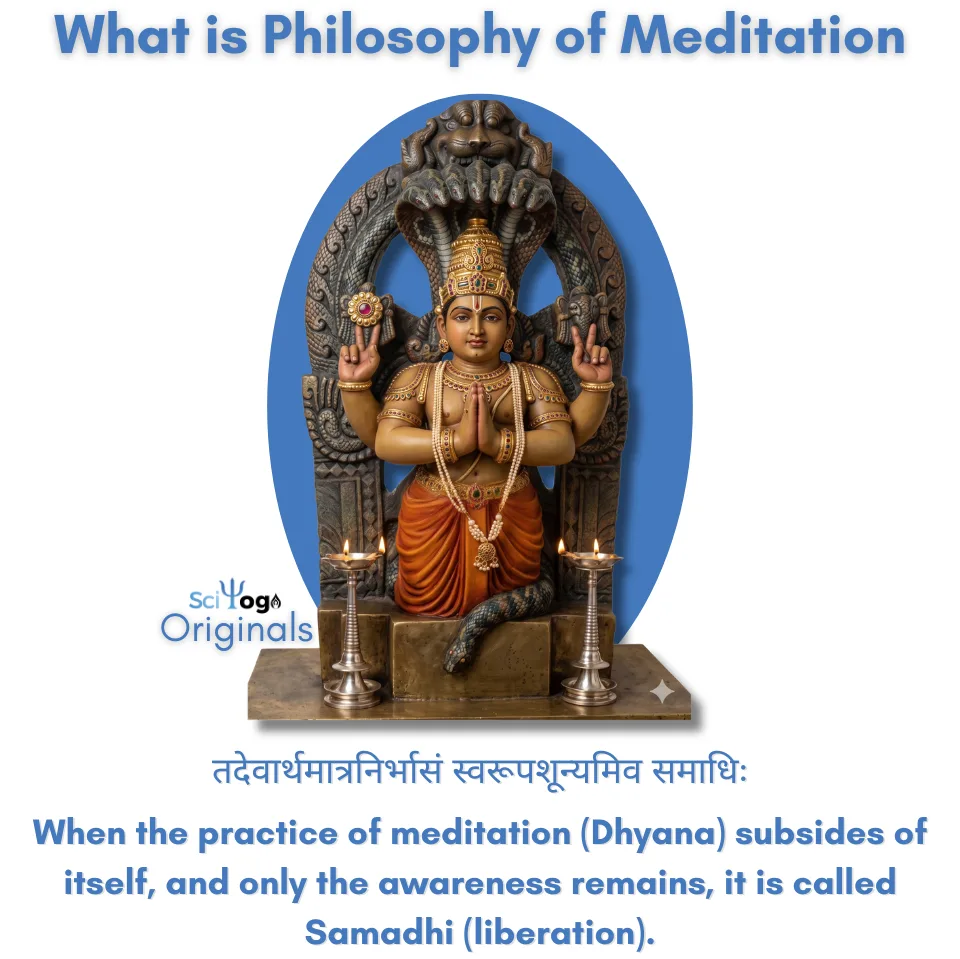
तदेवार्थमात्रनिर्भासं स्वरूपशून्यमिव समाधिः
Tadevārthamātranirbhāsaṃ Svarūpaśūnyamiva Samādhiḥ
When the practice of meditation (Dhyana) subsides of itself, and only the awareness remains, it is called Samadhi (liberation).
Simply put, Dharana, Dhyana, and Samadhi are the three stages of meditation. Dharana is a stage where we start to take our awareness to a specific place for a brief to moderate period. Nonetheless, when we initially practice meditation, most of us are in the Dharana stage. The advanced stage, Dhyana, comes only when our focus becomes extremely well. And finally, Samadhi is the stage of enlightenment. Don’t worry, we cover these topics in great depth in meditation philosophy sessions, where they become crystal clear with appropriate examples.
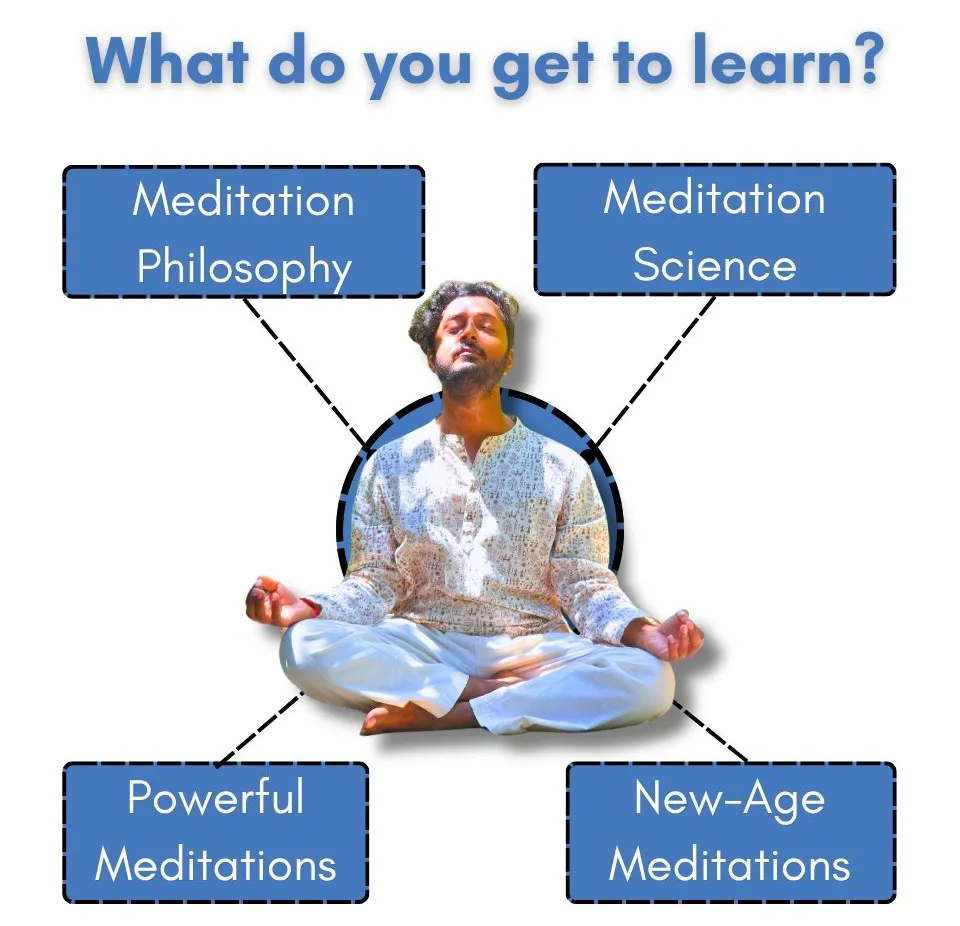
Meditation is literally the gym for our mind, but statistically, it is more difficult to practice than strength training. Over the years, many intelligent minds have repeatedly accepted that they practice meditation, and creativity flourishes in them. It is definitely not a magic wand, but also no less than that. Scientists really love what meditation does to our brains, and you will love it too once you start learning about your brain and what meditation can do. Let’s uncover some ground with this simple section, where we understand meditation scientifically.
Based on science, there are three major categories of meditation.
All three have multiple meditation techniques, popular all across the globe.
Focused attention is a category of meditation where we focus on an object, structure, or body part. Some examples of Focused Attention Meditation techniques include Chakra Meditation, Trataka Meditation, Breath Awareness Meditation, Yoga Nidra, Visualisation, Yantra Meditation, and more.
Open monitoring is the other category of meditation, where, as the name suggests, we are monitoring something. Here, we are situating our mind to monitor something which is ever-changing. In open monitoring, we have several meditation techniques, including So-Hum Meditation, Mindfulness, Ecstatic Dance, Mindful Walking, and more.
Constructive or Affective Meditation is relatively new. This meditation category involves focusing on emotion, developing affection, and making us more humane. This includes Loving-Kindness Metta, Yoga Nidra for Trauma, and Compassion meditation.
Imagine a practice that can change how your brain perceives various information; meditation is exactly that. When you practice meditation, it changes how your brain perceives the same information. A study published in Restorative Neurology and Neuroscience by Tolahunase MR et al[1], 2018, suggested that practices like Yoga and Meditation help with rewiring the brain (neuroplasticity). This means that at any point in our lives, we still have the power to change our personality and identity traits, overcome addictions, restrain mood disorders, reduce biomarkers of depression, and more (Rathore M, et al.[2], 2022).
Having a dense frontal brain (frontal lobe) is literally a good thing in science. Several very popular research studies, cited over 4000 times, indicated that practising meditation makes several of our brain parts thicker (Lazar S.W., et al.[3] 2005 and Do-Hyung Kang, et al.[4], 2013). Simply put, it is like our brain is growing more muscles, but it’s actually more neurons and therefore, better processing power. Better neural connections and more processing power make us more intelligent.
What is digital detox? Digital detox is a term popular amongst people who want to take a break from the digital world. With several studies indicating how the digital world is harming our thumbs, eyes, ears, skin, etc., people want to take a break from it. However, even if we want to, it is not that simple. Our brain is now accustomed to a series of dopamine spikes every day, constant stimulation, a series of thoughts, and whatnot. This is where meditation also comes into the picture. With meditation, we can overcome the damage caused by overstimulating the digital world. Meditation techniques, such as mindfulness meditation, could enhance our ability to shift attention and ultimately help achieve digital freedom (Rathore M, et al.[2], 2022).
Negative emotions are something that many of us deal with. Self-worthlessness, constant comparisons, higher expectations, troubling relationships, poor self-care, perceived stress, anxiety, and depression, etc., are part of negative emotions. Factors like modern lifestyle, poor sleep, and lack of Yoga and exercise make it worse. Meditation is research-proven to be effective in dealing with negative emotions and restoring balance to our lives (Rathore M, et al.[2], 2022).
If you are struggling with almost anything related to your health, do a plain search on any search engine or AI, and you will see meditation there. The reason? Meditation is science-backed, and it works. At Sci Yoga, our focus is to provide science-backed Yoga courses to our students. And if it is about health and science, we can’t ignore meditation. It is literally doing wonders for the people who practice it.
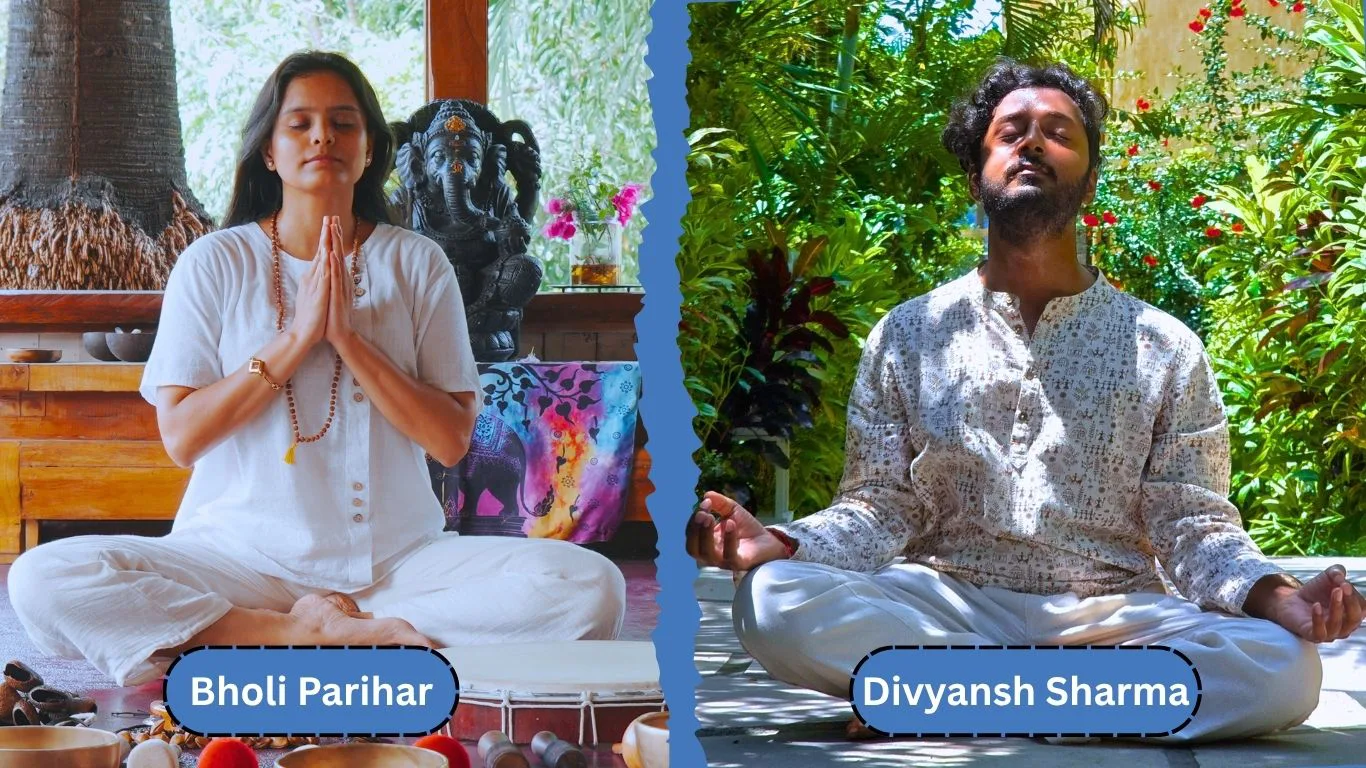
Our teachers are Divyansh Sharma and Bholi Parihar. They are also the founder and co-founder of Sci Yoga, an organisation with a mission to spread science-backed Yoga and wellness. They both hold a Master’s in Yogic Science, are ERYT-500, and have over a decade of teaching experience.
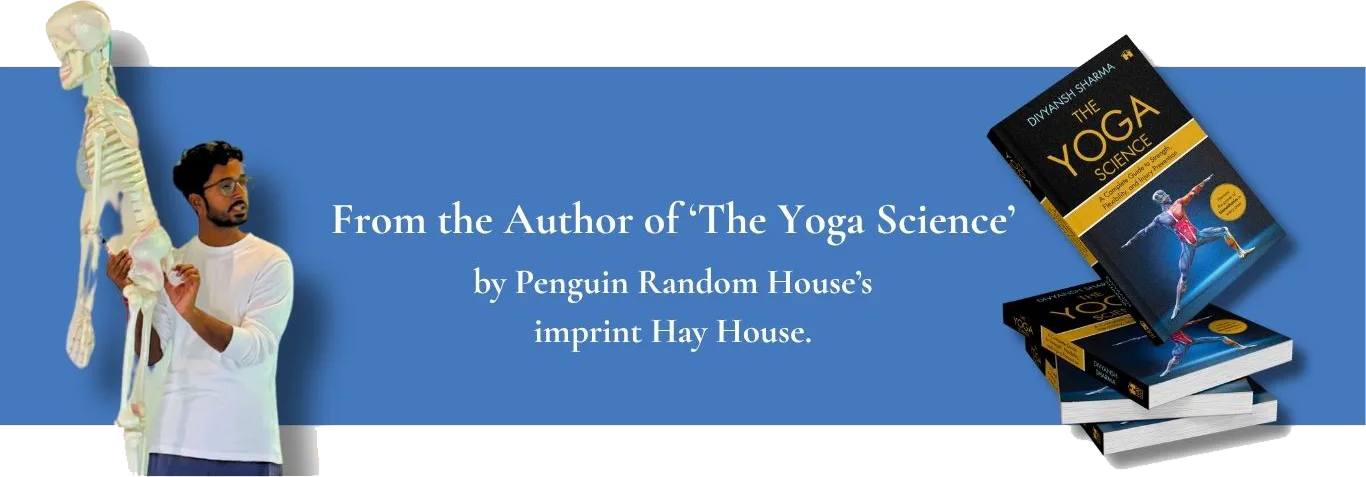
Divyansh Sharma is the author of the book ‘The Yoga Science’ published by Penguin Random House. He has been practising Yoga (and meditation) since 2010. He believes his meditation practice is vital for him. He feels he is closer to his realities because of his practice. He teaches Science of Meditation, Yoga Nidra, Visualisation meditation, Yoga Nidra for Trauma, and more.
Bholi Parihar, an advanced sound healer and Yoga educator, has also been practising Yoga since 2011. Her inspiration came from her family and their dedication to the practice. She picked it up, practised, and never looked back. Her calm, simple, and loving nature reflects her meditation practice. She teaches Sound Bath, Powerful Chakra Meditation, Trataka Meditation (Focused Gazing Meditation), So-Hum Meditation, and more.
| Location | Goa, India | |
|---|---|---|
| Course | 100 Hour Meditation & Yoga Nidra YTTC | |
| Start Date | End Date | Status |
| 03 Nov 2026 | 12 Nov 2026 | Apply Now |
| 05 Dec 2026 | 14 Dec 2026 | Apply Now |
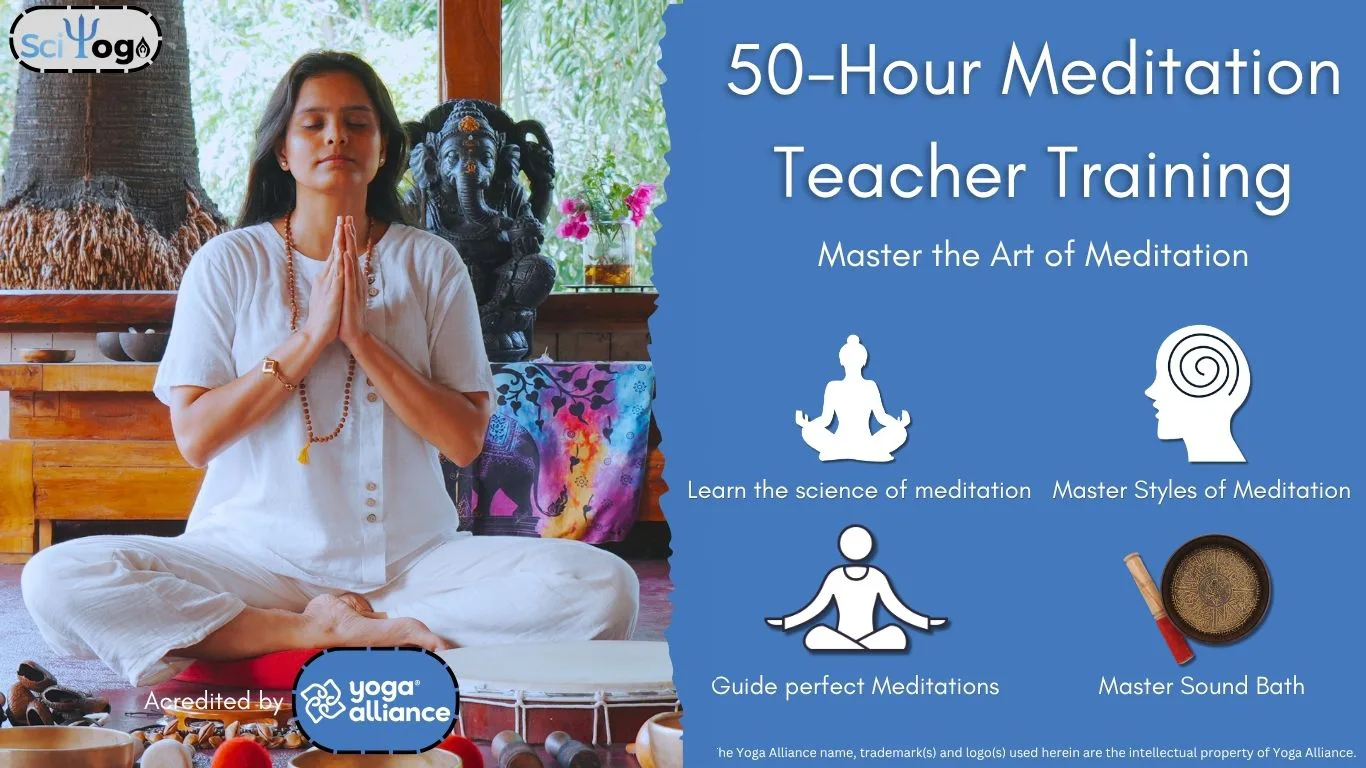
We offer our Meditation Teacher Training Course at various locations in India, including Goa, Dharamshala, and Rishikesh. We pick the best teachers and guest teachers, and reserve their time for our course.
For our courses, accommodation, and food in India, we have a special collaboration with Trimurti Yoga School. Trimurti Yoga School has been running for the last 15 years; therefore, they have perfectly engineered their accommodation and food.
For our courses in Goa, India, the best way to reach our Goa campus is by flight. You can get a flight to Goa at Manohar International Airport, Mopa (GOX) or Dabolim Airport (GOI). We recommend that you land at GOX as it is newer and has much better facilities. From there, we will give you a cab that will drop you directly at our Trimurti Yoga campus, Agonda-Palolem Road, Canacona, South Goa. To avail a complimentary pick-up from the airport, you just need to provide us with your flight details.
Anybody can do this; however, specifically, these people can benefit the most from our Meditation TTC course:
Definitely yes. Throughout this page, we have given you at least four research studies that tell you meditation really works.
No, in case of depression, we do not recommend you do this course. For depression, it is better to start with gentle Yoga practices and go out in the sun in either the morning or evening. Maintain your vitamin levels, especially Vitamin D3, Vitamin B-12, Protein, and Omega-3 levels. Some of our team members have had depression in the past, and with initial Hatha Yoga practice and later meditation practice, they made it disappear for good. However, you need to start by moving. Do anything that suits you, be it dancing, cycling, walking, jogging, Yoga, or strength training. After 6 months, you can start with our meditation course and change your life for good.
We can give you a chair or a cushion to sit on during the course. However, we definitely recommend that you start sitting on a flat surface if you do not have any joint, muscle, or bone-related injuries. Try sitting on a flat surface only for just 2 minutes initially and then increase it to 3, 4, and 10 minutes gradually.
If you cannot focus, but want to learn how to focus, then you should consider our meditation Teacher Training Course.
Understand that for most beginners, when they start practicing meditation, it is difficult for them. You have to stick with meditation for a long time. You have to have perseverance. With time, it will get better. The other option is to choose a meditation practice that suits you. We help you with both of these with our meditation course.
[1] Tolahunase, Madhuri R., et al. "Yoga-and meditation-based lifestyle intervention increases neuroplasticity and reduces severity of major depressive disorder: A randomised controlled trial." Restorative neurology and neuroscience 36.3 (2018): 423-442.
[2] Rathore, Mrithunjay; Verma, Meghnath1,; Nirwan, Mohit1; Trivedi, Soumitra; Pai, Vikram2. Functional Connectivity of Prefrontal Cortex in Various Meditation Techniques – A Mini-Review. International Journal of Yoga 15(3):p 187-194, Sep–Dec 2022. | DOI: 10.4103/ijoy.ijoy_88_22
https://journals.lww.com/ijoy/fulltext/2022/15030/Functional_Connectivity_of_Prefrontal_Cortex_in.3.aspx [3] Lazar, Sara W., et al. "Meditation experience is associated with increased cortical thickness." Neuroreport 16.17 (2005): 1893-1897.
https://journals.lww.com/neuroreport/abstract/2005/11280/meditation_experience_is_associated_with_increased.5.aspx [4] Do-Hyung Kang, Hang Joon Jo, Wi Hoon Jung, Sun Hyung Kim, Ye-Ha Jung, Chi-Hoon Choi, Ul Soon Lee, Seung Chan An, Joon Hwan Jang, Jun Soo Kwon, The effect of meditation on brain structure: cortical thickness mapping and diffusion tensor imaging, Social Cognitive and Affective Neuroscience, Volume 8, Issue 1, January 2013, Pages 27–33, https://doi.org/10.1093/scan/nss056